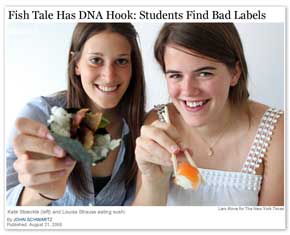
NYCFish ("Sushigate"): high school students discover one-quarter of fish sold in their NYC neighborhood is mislabeled
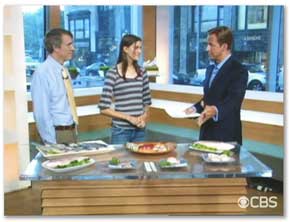
News report by students Kate Stoeckle and Louisa Strauss
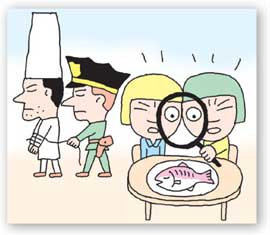
Dubbed "Sushi-gate", their investigation drew wide and continuing interest
Chosun Ilbo (Korean Daily News)
circulation 2.2 million
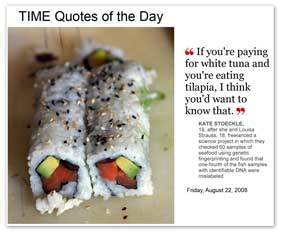
Time Magazine
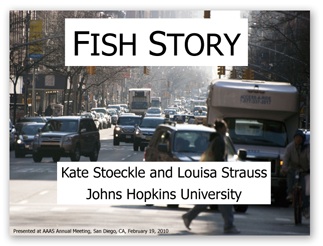
Invited presentation at AAAS annual meeting, San Diego, CA, Feb 2010
download PPTX
download PPTX
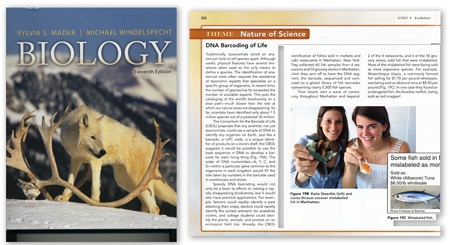
Featured in McGraw-Hill Biology, 11th edition, 2013
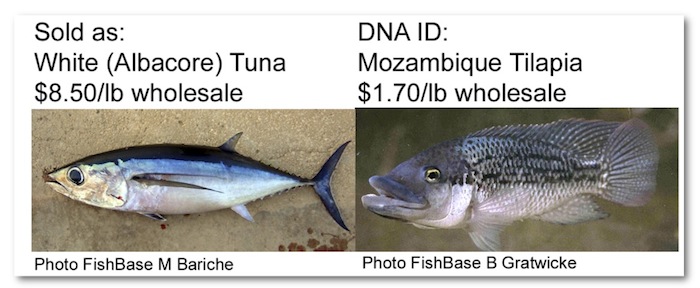
Mislabelings were as more expensive or more desirable fish
For example:
Student study helped spawn further investigations
- The Boston Globe, October 23, 2011
- Hanner R et al 2011 Mitochondrial DNA
- Consumer Reports, December 2011
- Oceana Report, June 2012
In October 2011, US FDA officially adopted DNA barcoding for detection of seafood fraud
http://www.fda.gov/Food/FoodSafety/Product-SpecificInformation/Seafood/DNAspeciation/default.htmMore on "Sushi-gate"
Among 60 items tested:
- Nile Perch (Africa), Lavender Jobfish (SE Asia), Slender Pinjalo (SE Asia), and Acadian Redfish (N Atlantic) sold as "Red Snapper"
- Mozambique Tilapia sold as "White Tuna"
- Smelt Roe sold as "Flying Fish Roe"
- Caribbean Spotted Goatfish sold as "Mediterranean Red Mullet"
- White Bass (farmed freshwater fish) sold as "Sea Bass"
Mislabeled items sold in 6 of 10 grocery stores/fish markets and 2 of 3 restaurants
In a NY Times sequel story, chefs claimed supreme expertise, followed by a Op-Ed “Fish or Foul” highlighting fallible judgment of experts.
Research article reporting NYCFish findings: Wong EHK, Hanner RH, 2008, DNA barcoding detects market substitution in North American seafood. Food Res International 41:828-837.

URL: http://phe.rockefeller.edu/barcode/sushigate.html
Last updated: Wednesday, 22-Aug-2012 16:00:09 EDT